I. Factory Price 3000 Gallon Water Truck for Sale
1.1 3000 gallon water truck overview (factory-direct)
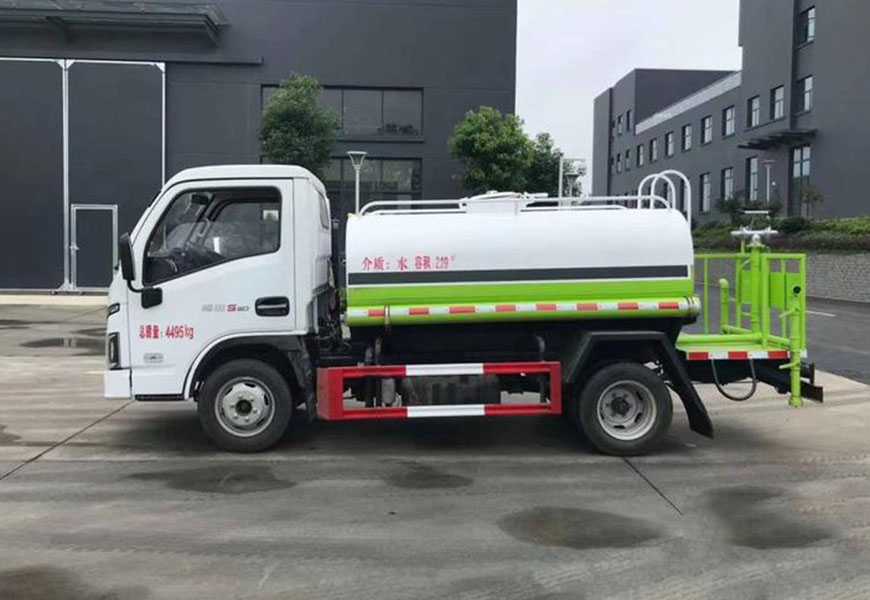
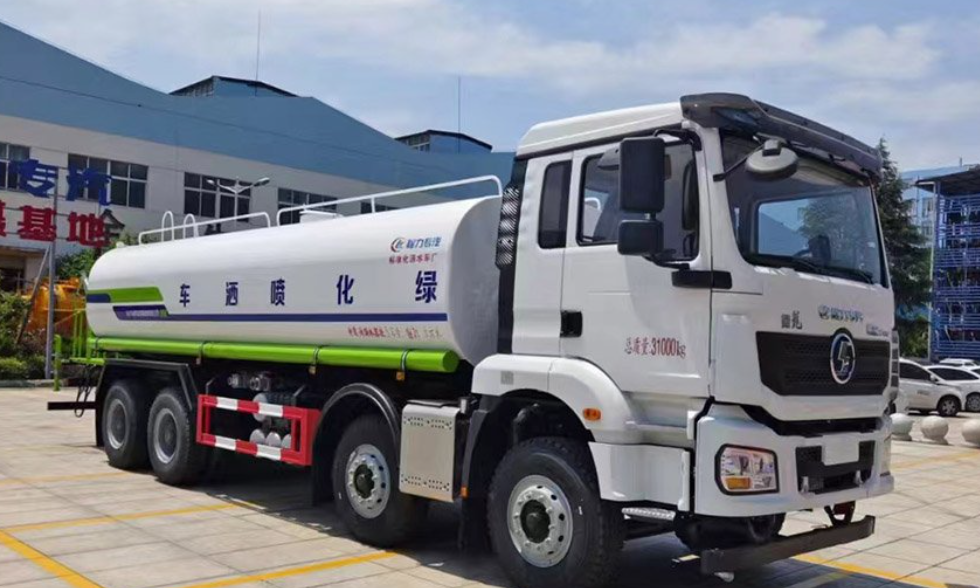
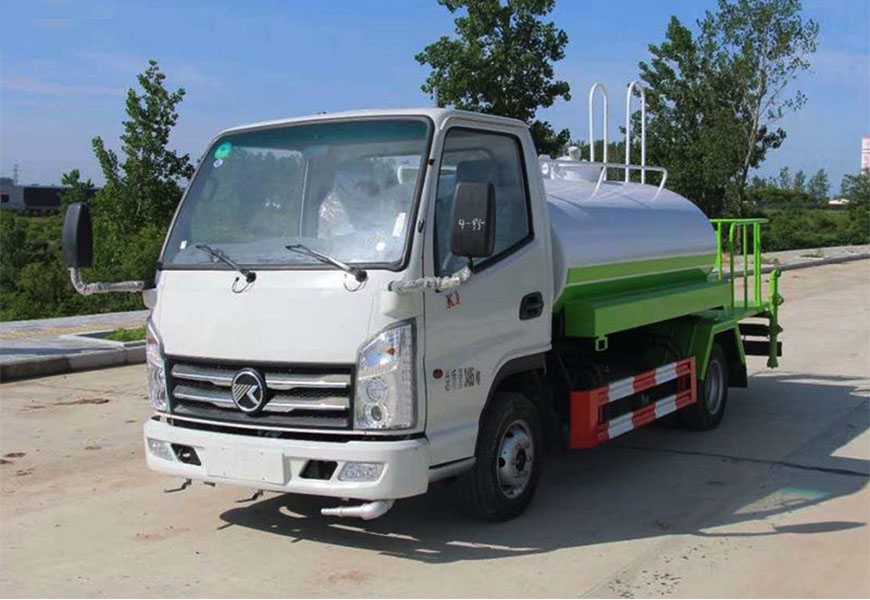
A 3000 gallon water truck is a mid-size water tanker designed for water transport and spraying in municipal, construction, and industrial sites.
Capacity reference: 3000 US gal ≈ 11,356 liters (often marketed as 11–12 m³ in China).
Typical structure: truck chassis + water tank + pump system + spray devices + piping/valves + PTO/drive system.
Factory-direct supply usually means you can choose chassis brand, tank material/thickness, pump model, spray layout, and optional packages (winter, anti-corrosion, etc.).
1.2 Factory price range and cost breakdown (tank, chassis, pump)
“Factory price” is mainly driven by the configuration. In most quotations, the total cost is made up of:
A) Chassis (largest portion of cost)
Brand/series (e.g., Dongfeng, Foton, Sinotruk, JAC, Isuzu-based options)
Drive type (4×2 vs 4×4), wheelbase, cab type
Engine power and emission standard (China stage / Euro III–V / Euro VI depending on market)
B) Tank & structure
Tank material: carbon steel / stainless steel / aluminum
Plate thickness, baffle quantity, anti-corrosion coating
Subframe and mounting method
C) Pump & PTO
Pump type (self-priming vs centrifugal), flow/pressure rating
PTO brand and matching with gearbox
Optional hydraulic systems and control upgrades
D) Spray system & accessories
Front/rear/side spray, high-pressure cannon, hose reel
Filtration system, valves, meters, level gauge
Safety options (anti-slip, rails, lights, warning beacons)
Tip for RFQ (to get an accurate factory quote): confirm your target tank volume (11–12 m³), chassis brand preference, emission requirement, spray functions, and whether you need self-priming suction.
1.3 Typical applications: road spraying, dust control, construction, landscaping
Common real-world uses for a 3000 gallon unit include:
Road washing and cooling (summer heat reduction)
Dust suppression on construction sites, mines, and haul roads
Soil compaction support (moisture control)
Landscaping irrigation for parks, green belts, nurseries
Emergency water supply (non-potable), firefighting auxiliary water delivery (when configured)
II. 3000 Gallon Water Truck Specifications & Options
2.1 Tank capacity, material options, and baffle design
Capacity
Nominal: 3000 gal (≈11.36 m³)
Some factories offer 10–12 m³ variants under “3000 gallon class” depending on chassis load limits.
Materials
Carbon steel (common): cost-effective; needs proper internal coating for corrosion resistance
Stainless steel (304/316): best corrosion resistance; higher cost; used in more demanding environments
Aluminum alloy: lighter weight; good for payload efficiency; costlier and requires proper fabrication standards
Baffles
Internal anti-surge baffles reduce liquid slosh and improve driving stability.
Typical design includes multiple compartments/partial baffles with manhole access for maintenance.
2.2 Pump types, flow rate, pressure, and suction capability
Pump options
Self-priming centrifugal pump (very common): good for suction from ponds/tanks; easier field operation
Centrifugal pump (non self-priming): simpler/cheaper but depends on priming arrangement
High-pressure pump (for cannon/long throw): higher pressure, usually paired with dedicated spray system requirements
Key parameters
Flow rate: often selected around 30–60 m³/h (varies by nozzle set and job needs)
Working pressure: commonly 0.2–0.8 MPa depending on spray mode
Suction depth: depends on pump model and priming method; confirm factory test standard and pipeline diameter
2.3 Spray system options: front/rear/side nozzles, cannon, hose reel
Typical spray combinations:
Front spray: road flushing and dust suppression close to the truck
Rear spray: wide-area watering while moving
Side spray: curb/shoulder watering
High-pressure cannon (monitor): adjustable direction; useful for dust control and remote spraying
Hose reel: manual watering, spot cleaning, landscaping edges
Selection tips:
If you do site dust control, prioritize rear wide spray + cannon.
If you do urban road washing, prioritize front flushing + rear spray plus good filtration.
2.4 PTO vs auxiliary engine drive and hydraulic control options
PTO drive (most popular)
Powered by the truck engine through the gearbox PTO
Pros: simpler, lower cost, fewer systems to maintain
Cons: spraying typically requires the main engine running; speed/idle management matters
Auxiliary engine drive
Separate engine powers the pump (and sometimes hydraulics)
Pros: stable pump performance; can operate independently of truck drivetrain
Cons: higher cost, added maintenance and fuel system
Control options
Manual valve control (basic, durable)
Pneumatic/electric valve control (more convenient)
Hydraulic control for specialized setups (when additional equipment is installed)
2.5 Stabilizers, subframe, and mounting configuration (truck/trailer)
Water trucks usually don’t need crane-style stabilizers, but mounting quality matters:
Subframe: distributes tank loads across chassis rails; improves durability on rough roads
Mounting: U-bolts/bolted brackets with proper rubber pads to handle vibration
Trailer-mounted water tank (optional): useful for off-road sites or where tractor heads are available, but maneuverability differs
For frequent off-road usage, prioritize a reinforced subframe + thicker tank mounting points.
2.6 Truck chassis and engine choices for China water truck chassis
Common choices from China factories:
4×2: best for paved roads and general municipal use
4×4: for mines, forest roads, remote construction areas
Chassis selection considerations:
GVW / payload matched to 11–12 m³ tank plus pump and accessories
Wheelbase affects turning radius and tank length
Engine power should match terrain; higher power helps when operating on slopes with full load
Cab option: single row vs sleeper (export markets differ)
2.7 Safety features and operator protection options
Recommended safety and compliance-related features:
Anti-slip walkway on tank top, with handrail/guardrail (where required)
Proper lighting/reflectors and optional warning beacon
Overflow protection and venting design
Emergency shut-off for pump system (option)
Reliable braking system matching GVW (chassis spec), plus wheel chocks for site work
Level gauge (mechanical/float) to reduce overflow incidents during filling
2.8 Customization: color, logo, winter package, corrosion protection, extras
Popular factory custom options:
Paint color + logo decals (municipal fleet branding)
Anti-corrosion package: internal epoxy coating, upgraded piping material, stainless fasteners
Winter package: insulation, drain valves layout, heat tracing/anti-freeze considerations
Upgraded filtration: protects pump and nozzles when drawing from ponds
Metering: flow meter (where precise delivery is needed)
Rear platform and toolbox, ladder upgrades, hose reel length upgrades
III. China Factory & Purchase Guide (3000 Gallon Water Truck)
3.1 How to choose a reliable 3000 gallon water truck factory in China
Key evaluation checklist:
Can they provide clear drawings/spec sheets (tank thickness, baffle design, piping diagram)?
Do they offer multiple chassis options and confirm legal payload/GVW compliance?
Do they have standardized QC流程: welding procedure, leak test, pump test?
Do they have export experience to your region (documentation, packing, shipping method)?
Ask for:
Real photos/videos of workshop welding, tank pressure/leak testing, road test
A detailed quotation listing all included components (pump model, nozzle types, PTO brand, tank thickness)
3.2 Factory quality control, welding standards, and certificates
Typical QC items you should request:
Material certificates for tank plates (grade/thickness)
Welding inspection (visual inspection; some factories can offer NDT for critical seams)
Tank leak test (water fill test; record/inspection photos)
Pump performance test (flow/pressure verification at specified RPM)
Certificates vary by market. Depending on destination, you may need:
Factory ISO management certificates (if available)
Chassis compliance certificates
Export-related documents (see shipping section)
3.3 Production lead time, inspection, and pre-delivery testing
Typical workflow:
Confirm configuration & chassis availability
Tank fabrication and subframe mounting
Pump/PTO installation and piping assembly
Paint and branding
Final inspection and testing
Lead time depends heavily on chassis stock and customization. For planning, always confirm:
Chassis lead time (sometimes the bottleneck)
Whether custom options (stainless tank, winter package) add extra days
Availability of pre-shipment inspection (factory inspection, third-party inspection)
3.4 Shipping, packing, and export documentation
Common shipping methods:
Ro-Ro (roll-on/roll-off): often cost-effective for complete trucks
Flat rack: used when Ro-Ro isn’t available or for special routes
Container: usually only possible for disassembled/partial units or very compact builds
Typical export documents (varies by country):
Commercial invoice, packing list
Bill of lading
Certificate of origin (if required)
Vehicle/chassis documents and inspection papers required by destination customs/registration
3.5 Warranty, spare parts supply, and after-sales support (remote guidance)
A practical after-sales package should include:
Warranty terms (truck chassis warranty vs upper-body/tank/pump warranty often differ)
Spare parts list: filters, nozzles, valves, seals, pump parts
Remote support: video troubleshooting, wiring/piping diagrams, parts identification
Clear guidance on maintenance intervals: pump priming checks, filter cleaning, nozzle unclogging, anti-freeze draining in winter